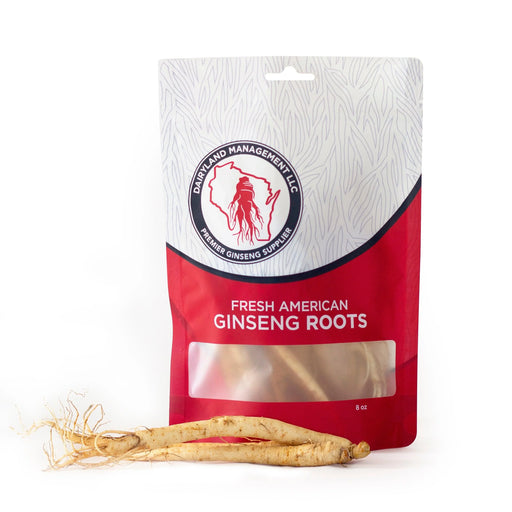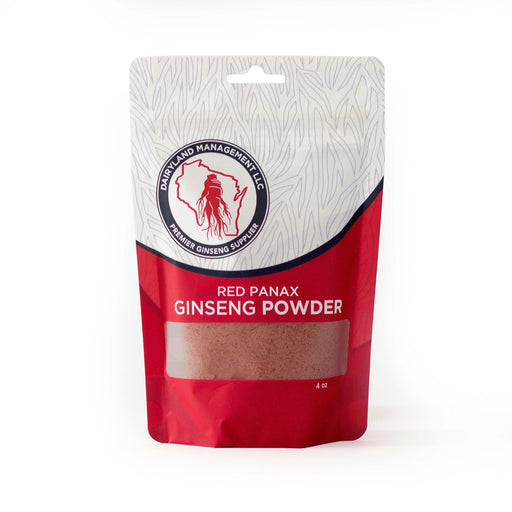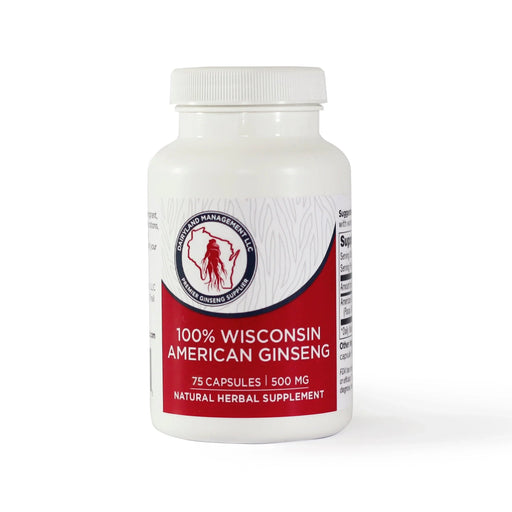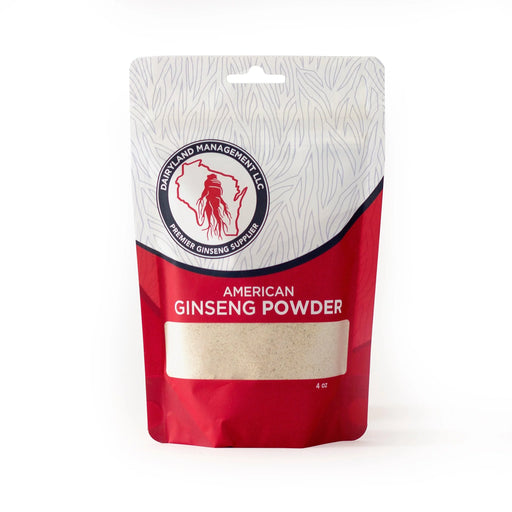
Don’t let the earthy flavor stand between you and better health.
Ginseng is a powerhouse of wellness, prized for centuries for its ability to boost energy, sharpen focus, and support the immune system. However, there is no denying the elephant in the room: the taste.
For many first-time users, ginseng’s flavor profile—distinctly earthy, woodsy, and slightly bitter—can be a hurdle. But here is the good news: that bitterness is actually a sign of potency. It comes from ginsenosides, the active compounds responsible for the herb's health benefits.
The secret to enjoying ginseng isn't to force yourself to endure it, but to learn how to prepare it correctly. By using the right flavor pairings and preparation methods, you can transform ginseng from a "medicine" into a daily treat.
Part 1: The "Café Style" Approach (Beverages)
Liquids are the most common way to consume ginseng, but plain hot water extracts the most bitterness. Try these upgrades to create a drink you actually crave.
1. The Creamy Ginseng Latte
Best for: Those who want a comforting, rich texture. Fat molecules in milk are excellent at coating the tongue and masking bitter notes.
-
How to make it: Steep your ginseng root or mix extract into hot water. Froth your choice of dairy milk, almond milk, or oat milk and pour over the top.
-
Pro Tip: A dash of vanilla extract or cinnamon makes this taste like a coffee-shop special.
2. The Honey-Lemon "Tea"
Best for: A refreshing, immune-boosting tonic. This is the classic preparation method. The acidity of citrus cuts through the earthy heavy notes, while honey provides a floral sweetness that bridges the gap between the two.
-
How to make it: Squeeze fresh lemon or orange juice into your ginseng tea. Stir in a generous teaspoon of raw honey.
-
Why it works: Sour and sweet are the natural culinary counter-balances to bitter.
3. Spiced Chai Infusion
Best for: Masking the flavor completely. Strong, warming spices pair perfectly with the "woodsy" taste of ginseng, making it feel like a natural part of the flavor profile rather than an intruder.
-
The Blend: Brew your ginseng with a cinnamon stick, cardamom pods, fresh ginger, or cloves.
-
Why it works: Ginger and ginseng are botanical cousins; they blend seamlessly, while cinnamon adds perceived sweetness without sugar.
4. Iced & Infused
Best for: A mild, hydrating lift. Hot water opens up flavor compounds, making them taste stronger. Cold water keeps the flavor profile tighter and milder.
-
How to make it: Brew your ginseng tea strong, let it cool, and pour over lots of ice. Add slices of apple, pear, or cucumber.
-
Why it works: Cold temperatures numb the taste buds slightly, reducing the perception of bitterness.
Part 2: The "Invisible" Approach (Food & Smoothies)
If you prefer not to taste the ginseng at all, these methods hide the flavor within nutrient-dense foods.
5. The Superfood Smoothie
Best for: A fast, nutritious breakfast. The complexity of fruits and yogurt easily overpowers ginseng powder or extract.
-
The Recipe: Blend 1 tsp of ginseng powder with a banana, a handful of berries, spinach, and yogurt.
-
Why it works: Bananas and berries have strong flavor profiles that completely mask the earthiness.
6. Savory Soups & Broths
Best for: Traditional nourishment. In Asian cuisine, ginseng is rarely eaten sweet—it is often cooked in savory chicken soups (like Samgyetang).
-
How to do it: Toss whole ginseng roots or slices into your chicken or vegetable stock while it simmers.
-
Why it works: The earthy flavor of ginseng deepens the soup's savory "umami" quality, making it taste more like a root vegetable (like a parsnip) than a supplement.
7. Dark Chocolate Pairing
Best for: A healthy indulgence. Dark chocolate and ginseng share similar tannin structures. They complement rather than fight each other.
-
How to do it: Melt a square of dark chocolate into your hot ginseng tea, or dust ginseng powder over a chocolate dessert.
Part 3: Pro-Tips for the Taste Sensitive
If you are still worried about the flavor, follow these three golden rules to ensure a better experience.
Rule #1: Choose American Ginseng
Not all ginseng tastes the same.
-
Korean Red Ginseng: Known for being very intense, spicy, and bitter.
-
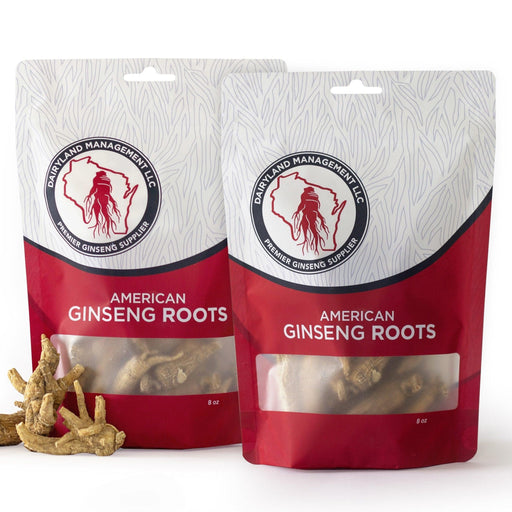
American Ginseng (Wisconsin Grown): Famous for being significantly milder, sweeter, and more palatable.
-
The Fix: If you are taste-sensitive, always start with American Ginseng.
Rule #2: Watch Your Dosage
More isn't always better, especially when starting out.
-
The Fix: Start with a lower dose (e.g., 500mg or half a cup of tea) to let your palate adjust. You can gradually increase the amount as you get used to the flavor.
Rule #3: The "Sweetener" Hierarchy
If you need to sweeten your ginseng, choose sweeteners that have their own flavor to distract the palate.
-
Honey / Maple Syrup: Best options. They add flavor complexity.
-
Stevia / Monk Fruit: Good calorie-free options, though they can have an aftertaste.
-
White Sugar: Adds sweetness but no flavor depth. Use sparingly.
Ready to give it a try?
Now that you know how to make ginseng delicious, you can enjoy the energy and focus benefits without the "medicine face."